.png)







Key Takeaways
- When a child’s developmental delays remain unexplained, genetic testing can uncover an underlying cause and end years of uncertainty.
- A genetic diagnosis can help families understand a condition, connect with specialists, and make informed healthcare decisions.
- For Maxwell’s family, whole genome testing transformed uncertainty into a roadmap for care, advocacy, and research.
- Maxwell’s diagnosis inspired a global research and advocacy effort that helped pave the way to the first treatment developed for SLC6A1-related disorder.
When a Mother's Intuition Raised Questions
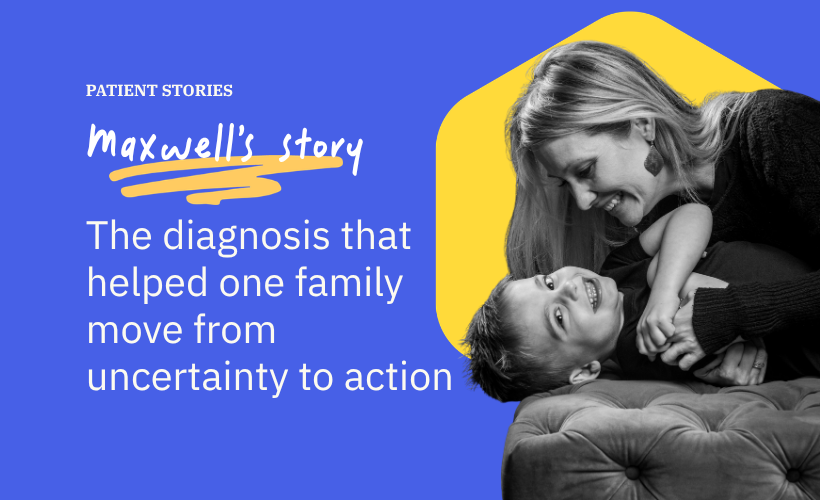
Amber Freed had always dreamed of becoming a mother. After two years of IVF, she and her husband welcomed twins, Maxwell and Riley, into the world. Watching them grow side by side was one of her greatest joys.
But as the months passed, Amber noticed something she couldn't ignore. While Riley eagerly explored her surroundings and reached developmental milestones, Maxwell seemed to be progressing more slowly. Doctors reassured her that children develop at different rates and encouraged her not to compare twins. Still, her instincts told her something wasn't right.
"My mother's intuition sounded louder than a freight train," Amber recalls. Determined to find answers, she continued searching for an explanation. What began as a mother's concern would eventually become a years-long journey that changed the course of her son's life.

Navigating the Diagnostic Odyssey
As Maxwell's developmental delays became more apparent, Amber navigated appointment after appointment with specialists. Before genetic testing was ever discussed, Maxwell underwent invasive muscle testing and multiple procedures requiring sedation, including an MRI, electromyography (EMG), and electroretinography (ERG). Despite everything they endured, the family still had no explanation.
When Maxwell was two, he was referred to a geneticist, who recommended genetic testing. After navigating insurance and waiting for results, the family finally received an answer through GeneDx.
The Diagnosis That Changed Everything
Whole genome sequencing (WGS) revealed that Maxwell had SLC6A1-related disorder, a rare neurodevelopmental condition associated with developmental delays, epilepsy, movement disorders, speech challenges, and intellectual disability. At the time, little was known about the condition. There were few resources, no approved treatments, and more questions than answers. Yet despite the uncertainty, receiving a diagnosis changed everything.
"That single word—diagnosis—transformed fear into a roadmap," Amber says. Before genetic testing, the family knew something was wrong but didn't know what they were fighting. After receiving a diagnosis, they finally had a name for Maxwell's condition, a community to connect with, and a clear direction for moving forward.
How Genetic Testing Empowered a Family
For Amber, the diagnosis provided far more than an explanation—it transformed the way Maxwell's care was managed. Before testing, every decision felt uncertain. After the diagnosis, healthcare decisions became more focused, and the care team could better anticipate Maxwell's needs.
"The decisions became easier. We understood next steps in Maxwell's healthcare and what doctors he should see." The diagnosis also changed conversations with healthcare providers. "Doctors began taking me more seriously. The neurologist understood what to look out for. The endocrinologist was able to look up research themselves instead of me simply describing symptoms." Beyond guiding Maxwell's medical care, the diagnosis gave the family confidence they were moving in the right direction.
Turning a Rare Diagnosis Into Action
For many families, a diagnosis marks the end of a search. For Amber, it marked the beginning of a mission. "Maxwell's diagnosis gave my enemy a name. I immediately immersed myself in understanding SLC6A1, founded a patient organization, and helped build the infrastructure needed to accelerate treatment development."
Amber founded SLC6A1 Connect, connected researchers and clinicians around the world, and helped raise millions of dollars to advance research. Every step forward traced back to the day Maxwell received a diagnosis. Without genetic testing, there would have been no clear condition to study, no patient community to unite, and no path toward a targeted treatment. Years of research, fundraising, and scientific collaboration followed.
A Historic Treatment Milestone
On September 10, 2025, Maxwell became the first person in the world to receive treatment for SLC6A1-related disorder. Doctors, scientists, and healthcare providers gathered to celebrate a milestone that represented years of persistence, partnership, and hope.
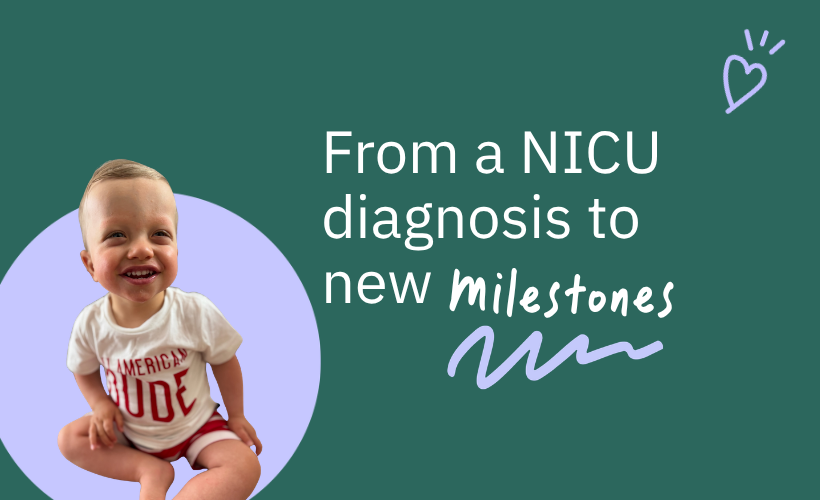
Today, Maxwell continues to be monitored as researchers learn more about the long-term impact of treatment. "Maxwell's gene therapy has been successful. He has been seizure-free and is reaching new developmental milestones nearly every day. He is even playing Little League. Seeing the pride on his face every time he steps up to the plate makes every challenge of the past seven years' worth it." For Amber, every milestone Maxwell reaches is a reminder that one genetic diagnosis set their family on a path that made this moment possible.
Life After Diagnosis
A diagnosis did not solve every challenge facing Maxwell and his family, but it changed what was possible. It provided answers, informed Maxwell's medical care, connected the family with experts and other families, and opened doors that never would have existed without understanding the genetic cause of his symptoms.
"Receiving a diagnosis hasn't fixed anything, but it has helped us prepare him and ourselves to give him the absolute best life possible." Looking back, Amber sees genetic testing as the turning point that transformed uncertainty into action and helped pave the way for a future filled with possibility.

Advice for Other Families
Amber encourages parents to trust their instincts and continue listening to their inner voice when something feels off. "Always trust your gut. A parent's intuition is powerful." Patients and families know their loved ones better than anyone else. Don't be afraid to ask questions, advocate for your child, and speak with confidence. Your voice matters—and, as Amber's story shows, it can change the course of a child's future. "Before the diagnosis, we were powerless and scared. After the diagnosis, we were empowered. We understood where we needed to go."
Wondering if Genetic Testing is Right for Your Child?
If your child has unexplained developmental delays, seizures, movement differences, speech challenges, intellectual disability, or other complex medical concerns, talk with your healthcare provider about whether genetic testing may be appropriate. The right diagnosis can help guide care, inform future medical decisions, connect families with specialists and support communities, and open doors to emerging research and treatment opportunities.