.svg)









Navigating genetic testing in the NICU
When your baby is in the NICU, it can feel like there is a lot of information to absorb all at once. While every family’s journey is different, one thing is true for all parents: you want the best possible care for your baby.
This resource provides a quick overview of why genetic testing may be recommended for your family, what to expect throughout the process, and where to find support along the way.

Why genetic testing may be recommended



Understanding exome and genome sequencing
Sometimes changes in DNA can help explain why a baby is sick or experiencing health concerns. Depending on your baby’s medical needs, your healthcare team may recommend exome or genome sequencing.

What to expect during genetic testing
Sample collection
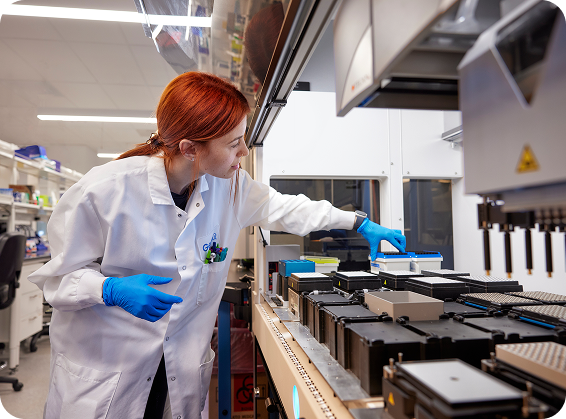
A DNA sample is collected from your baby through a blood sample, which contains cells that carry baby’s DNA. Our laboratory uses these cells to extract your baby’s DNA and look for changes that may help explain a health condition or guide medical care.
Biological relative samples
Whenever possible, 1-2 biological relatives — usually mom and dad — may also be asked to provide samples. Including relative samples (called duo or trio testing) can increase the likelihood of finding an answer and reduce uncertain findings, also referred to as VUS. Learn why relative samples matter.
DNA analysis
Genetics experts analyze your baby’s DNA and compare findings to known genetic conditions and millions of genetic variants.
Results review
Results are reviewed by genetic experts and then shared with your baby’s healthcare team.
Next steps
Your healthcare team will discuss these results and work with you to determine the most appropriate path forward.
Understanding possible results
Consenting to testing
Genetic testing can reveal information that extends beyond your baby’s current medical condition, so it is important to ask questions and understand:
- Why testing is being performed
- The different types of results that may be returned
- Options regarding secondary findings
- Potential implications for your family
.png)
Understanding privacy and data security
There are federal and local laws in place to protect your child’s privacy and discrimination based on genetic testing results.
- Genetic Information Nondiscrimination Act (GINA): a federal law that helps protect individuals from discrimination based on genetic information in health insurance and employment.
- HIPAA: Your genetic testing results are protected health information and are safeguarded under federal privacy laws. GeneDx follows the same HIPAA laws and compliance requirements as your personal healthcare facilities do.
- Data security: GeneDx uses secure systems and processes to protect patient information and genetic data.
- Sample storage: It’s normal to have questions about how samples and genetic information are handled. Your consent forms provide more details, and your healthcare team or a GeneDx genetic counselor can answer any questions you may have.

Support beyond the NICU
Some genetic findings may continue to be helpful after your baby’s NICU stay. The information learned from genetic testing can help guide care, answer questions, and support health decisions as your child grows.
- As science continues to advance, new discoveries may help us better understand genetic information over time.
- GeneDx will continue to be a part of your baby’s care team.
- If you have questions about your child’s results, feel free to contact us.