.png)








Key Takeaways
- Layla was born with a severe bowel obstruction requiring emergency surgery shortly after birth.
- After multiple hospitalizations and complications, doctors used rapid genome sequencing to search for answers.
- Genetic testing identified TTC7A deficiency, an extremely rare condition affecting both the intestines and immune system.
- The diagnosis changed Layla’s care plan, helping doctors tailor treatments to protect her immune system.
- Today, Layla is thriving—running, dancing, and living life as an energetic preschooler.
A Difficult Start
Layla’s life began with a medical emergency.
Shortly after birth, doctors discovered a bowel obstruction that required immediate surgery. Within weeks, she underwent two emergency procedures to address complications.
Her parents, Corinna and Dmitry, suddenly found themselves navigating a world of NICU care, specialists, and difficult decisions.
Despite the surgeries, something still wasn’t right.
Layla was treated like a typical short-bowel patient, but her recovery didn’t follow the expected path. She experienced infections and complications that left her care team searching for answers.
When Doctors Turned to Genomic Testing
As Layla’s condition grew more complex, her medical team decided to take a different approach: rapid genome sequencing.
Genomic testing can analyze thousands of genes at once, helping doctors identify rare genetic conditions that may not be detectable through traditional testing.
Just days later, the results came back.
Layla had TTC7A deficiency, a rare genetic disorder affecting both the gastrointestinal tract and immune system. Fewer than 80 cases had been documented worldwide.
For Layla’s parents, the diagnosis was both shocking and clarifying.
A Diagnosis That Changed Everything
Before the genetic diagnosis, Layla’s doctors were treating symptoms without knowing the underlying cause.
Once TTC7A deficiency was identified, her care plan changed immediately.
Doctors recognized that Layla’s immune system was severely compromised, and they began tailoring her treatment accordingly.
Layla was placed in isolation, started receiving plasma infusions, and began a more personalized care plan designed specifically for her condition.
Without that diagnosis, her parents believe doctors would have continued treating her as a typical short-bowel patient.
The Power of Answers
For many families facing rare disease, the hardest part is not knowing.
A diagnosis doesn’t just explain symptoms—it can reshape care.
In Layla’s case, genetic testing helped doctors:
- Understand the root cause of her symptoms
- Protect her weakened immune system
- Adjust treatment strategies
- Plan long-term care
It also gave her parents something they had been searching for since the beginning: clarity.
Thriving Today
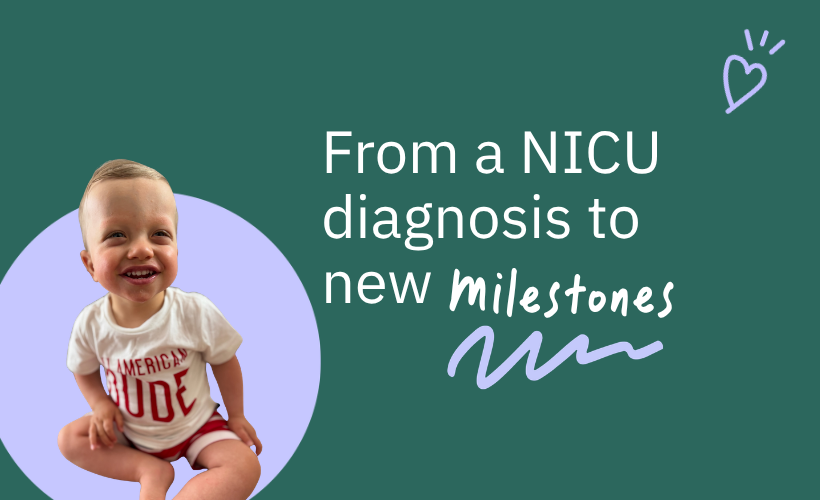
Four years later, Layla’s life looks very different.
She is now in preschool, enrolled in ballet, and spends her days running, playing, and making friends.
Her mom describes her as spunky, outgoing, and strong-willed.
Layla still receives IV nutrition at night and regular treatments to support her immune system. But during the day, she gets to enjoy something every child deserves: a normal childhood.
Advice for Other Parents
Layla’s parents often share one piece of advice with families facing medical uncertainty:
Trust your instincts.
If something feels wrong, ask questions. Push for answers. Advocate for your child.
Parents know their children best—and sometimes that persistence is what leads to the breakthrough that changes everything.
The Role of Genetic Testing
Layla’s story highlights how genomic testing can transform the diagnostic journey for rare disease patients.
By identifying the underlying genetic cause of disease, clinicians can make more informed treatment decisions and help families understand what comes next.
For some families, that knowledge can mean the difference between uncertainty and a path forward.