








Key takeaways
- NPC can be difficult to recognize because its signs vary widely and may appear at different ages, which can contribute to a multi- year diagnostic journey
- NPC GenomeComplete removes a major barrier by offering eligible children genome sequencing or targeted NPC1 and NPC2 testing at no cost, with no insurance required.
- Children do not need a classic presentation or a prior specialist diagnosis to be considered, helping make testing accessible to families earlier in the search for answers.
- For eligible children in situations requiring urgent medical decisions, rapid genome sequencing can provide preliminary results in as soon as 48 hours.
Why Niemann-Pick disease type C can be difficult to diagnose
It can start with symptoms that do not immediately add up. A baby may have prolonged jaundice and later go on to struggle with coordination in childhood. For many families, the search for answers can stretch across years while the condition continues to progress. The underlying cause may be an ultra-rare inherited condition known as Niemann-Pick disease type C, or NPC.
Niemann-Pick Disease Type C (NPC) is an ultra-rare, inherited condition that affects how the body moves cholesterol and other fats within cells. Changes in the NPC1 or NPC2 genes cause these materials to build up instead of being properly transported. Over time, that buildup can damage the brain, liver, spleen, and other parts of the body, leading to progressive and life-limiting symptoms.1,3
NPC can appear at any age, affect people of any sex or ancestry, and its signs can resemble those of many other neurological, metabolic, liver, or mental health conditions. That can make it difficult for families and healthcare providers to connect the dots. In an internal GeneDx analysis of individuals with NPC-related genetic findings, the most frequent features documented by providers at the time of genetic testing included ataxia, global developmental delay, dysarthria, developmental regression, seizures, splenomegaly, autism, intellectual disability, and dysphagia. These are the features that were present at the time of testing in real-world practice. They don't always match the classic signs described in the medical literature, which is one more reason NPC can be hard to recognize. About half of the individuals in the analysis had reported neurological features only, while others had visceral features only or a combination of neurological and visceral findings, reinforcing that NPC may not follow one predictable pattern. Approximately two-thirds of people with NPC in the United States remain undiagnosed.2,3,4,6
Claims-linked data from this analysis also suggest that, once a disease-related signal first appears in the available claims record, the average time to a genetic diagnosis is about two years. This measure does not necessarily reflect the first symptom a family noticed; rather, it captures the time from the first detectable NPC-related signal in claims data to genetic diagnosis.6
GeneDx Infinity™, one of the world’s largest rare disease datasets representing 2.5 million genetic tests and more than 1 million exomes and genomes sequenced, notably has 73 patients with two likely pathogenic or pathogenic NPC1 variants. Among these patients, the median age is 22, and 51% are male. About half were tested as children, nearly a quarter before age 5, and about half as adults, consistent with the variable age of onset of NPC.6
Why earlier recognition matters in infantile-onset NPC
Infantile-onset NPC is the most severe form of the disease and can progress quickly. Earlier neurological onset is associated with more rapid disease progression and premature mortality. Early signs may include prolonged jaundice, liver or spleen enlargement, low muscle tone, and loss of motor skills. In the United States, an estimated 475 children are living with infantile-onset NPC, but only approximately 175 have been diagnosed. Because neurological damage can be irreversible and earlier treatment may help preserve neurological function, recognizing the signs and reaching an accurate diagnosis as early as possible is critical.1,3,5.7
These early signs create important opportunities to shorten the search for answers. Community pediatric providers are often among the first to see prolonged jaundice, an enlarged liver or spleen, developmental changes, loss of coordination, or other unexplained symptoms. Increasing awareness of NPC, building rare-disease consideration into standard diagnostic workups, and making genetic testing easier to access can help more children receive appropriate testing earlier.
Provider awareness across specialties is especially important. In the internal GeneDx analysis, ordering providers represented 28 states and included genetics, neurology, pediatrics, and other specialties. Before receiving a genetic diagnosis, individuals had seen an average of 12 different providers across an average of nine specialties in linked claims data, underscoring why broad consideration of NPC can matter when symptoms remain unexplained.6
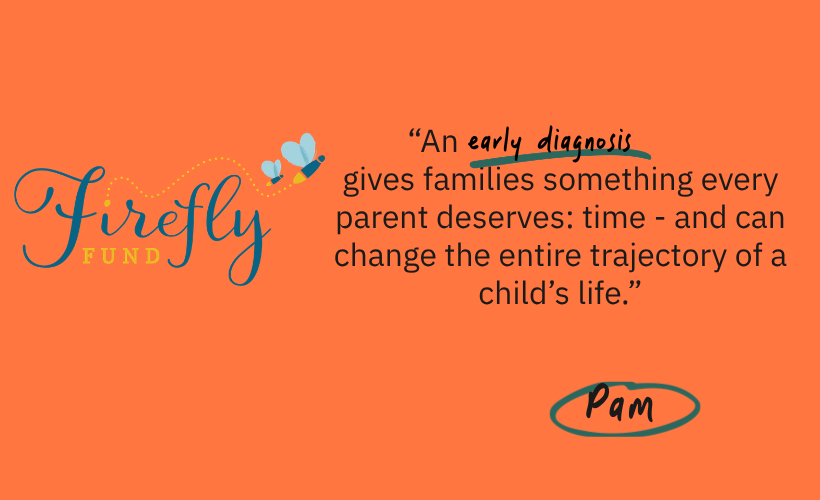
"An early diagnosis can change the entire trajectory of a child’s life,” said Pam Andrews, co-founder of Firefly Fund, a patient advocacy group focused on rare diseases, including NPC. “I know this because I have lived both sides of that story. My older daughter, Belle, was diagnosed with Niemann-Pick disease type C after symptoms had already begun to appear. Her diagnosis led us to immediately test her baby sister, Abby, who was diagnosed before she showed any outward signs of the disease. That early knowledge gave us something every parent deserves: time. Time to understand what we were facing, time to find the right specialists, and most importantly, time to intervene before irreversible damage occurred. In rare disease, a diagnosis is not simply an answer. It can be the beginning of a completely different future.”
Genetic testing can help families get a clear answer
While healthcare providers may suspect NPC based on a child’s symptoms, family history, or certain blood test results, genetic testing can confirm the diagnosis by identifying changes in both copies of the NPC1 or NPC2 gene. A confirmed diagnosis can end uncertainty, help support appropriate clinical management, offer useful information for relatives, and help families understand other available next steps. Today, a blood or saliva sample can often provide this answer without the invasive skin biopsy that was historically used.2,3
NPC has traditionally been estimated to affect about 1 in 100,000 to 1 in 120,000 live births. Genomic research suggests it may be more common - potentially affecting 1 in 19,000 to 1 in 36,000 people - because milder and later-onset cases can go unrecognized.1,4
Removing barriers to genetic testing through NPC GenomeComplete
Cost, insurance requirements, and access to specialized testing can add more uncertainty to an already difficult diagnostic journey. GeneDx and Beren Therapeutics launched the NPC GenomeComplete Sponsored Testing Program to help remove those barriers. The program offers comprehensive genetic testing at no cost to children in the U.S. who meet program eligibility criteria through symptoms, family history, or biomarker results that may suggest NPC. A child does not need a classic presentation or a prior specialist diagnosis to be considered.5
Depending on the family’s needs, the program may provide whole genome sequencing or targeted testing of the NPC1 and NPC2 genes. Family testing and post-test genetic counseling are also available at no charge. For eligible children in situations that requireurgent medical decisions, rapid genome sequencing can provide preliminary results in as soon as 48 hours.5
Testing is fully sponsored by Beren Therapeutics, and families do not need insurance to participate. By removing the cost of testing and reducing insurance-related hurdles, NPC GenomeComplete can make comprehensive genetic testing more accessible to eligible families across the country—helping more children and their families get answers sooner.5
“Nearly every family we speak with in the NPC community describes a long diagnostic journey full of uncertainty,” said Jason Camm, Founder and Chief Executive Officer of Beren Therapeutics. “Beren designed NPC GenomeComplete to change that through broad comprehensive genome sequencing, family testing and genetic counseling at no charge. GeneDx brings the genomic expertise and infrastructure needed to make that approach available nationally and help find children who might otherwise remain undiagnosed.”
“For children with suspected rare disease, an accurate diagnosis can be life-changing,” said Lisa Gurry, Chief Business Officer at GeneDx. “By combining GeneDx's diagnostic expertise with the power of our genomic data and Beren’s deep understanding of NPC, this collaboration can help more patients get answers sooner and accelerate the path to appropriate care.”
Learn whether no-cost testing may be an option
If a child has symptoms, a family history, or test results that raise the possibility of NPC, families and healthcare providers do not have to wait for a textbook presentation before exploring genetic testing. Visit the Beren NPC GenomeComplete Sponsored Testing Program page to review eligibility, testing options, and ordering information for this no-cost sponsored program.