.svg)








Key Takeaways
- Repeated infections and unusual symptoms can sometimes signal an underlying rare genetic condition.
- Genetic testing can help identify rare immune disorders that may not be detected through traditional testing.
- A confirmed genetic diagnosis can guide treatment decisions and connect families with specialized care.
- For Simon and his family, genetic testing ultimately led to life-saving treatment and a new path forward.
When Unusual Symptoms Start to Add Up
First came a high fever and a fungal infection that required a night in the hospital when Simon was just 11 days old. Doctors initially thought it was simply a fluke.
Nine months later, a simple scratch resulted in a bone infection.
Then Simon didn’t respond to routine vaccinations and was unable to develop the usual antibodies. His doctors attempted to revaccinate him, hoping his immune system would respond as he matured—but they also warned his family that he might have an underlying immune deficiency.
A few months later, Simon developed large lymph nodes on his back and neck along with another high fever. After several hospital tests failed to produce answers, doctors began to suspect that his symptoms might be caused by a rare genetic disease.
From Searching the Internet for Answers to Getting a Diagnosis
After an initial genetic test—a multi-gene panel—did not identify the cause of Simon’s symptoms, his parents began searching the internet for answers.
Simon’s medical history, along with the fact that his newly emerging teeth were unusually sharp and cone-shaped, led them to wonder whether he might have NEMO deficiency syndrome.
“The doctors wouldn’t prescribe medication for that without a formal diagnosis,” explains Simon’s mother, Sandie.
Fortunately, the family was able to see a geneticist who ordered genetic testing from GeneDx.
“GeneDx proved it,” Sandie says.
Simon had NEMO deficiency, a rare primary immunodeficiency caused by variants in the IKBKG gene. Only about 200 cases have been reported worldwide.
The condition makes individuals highly vulnerable to serious infections and can be life-limiting in severe cases.
“The GeneDx test helped save Simon’s life,” Sandie says.
A Diagnosis Brings Answers—and Hope
Receiving a genetic diagnosis finally explained Simon’s frequent infections, his lack of response to vaccinations, and even his distinctive teeth.
It also revealed that Simon had been taking medications that were not appropriate for his condition—something his doctors were able to correct immediately.
The diagnosis also connected the family with specialists familiar with NEMO deficiency.
“Our GeneDx diagnosis led us to the NIH and then to Texas Children’s Hospital and one of the few doctors in the country with experience treating NEMO,” says Sandie.
Simon’s family temporarily moved to Houston so he could receive a bone marrow transplant.
Because Simon had a confirmed genetic diagnosis, the transplant was covered by insurance.
“The transplant went well. We were one of the lucky ones. Because Simon was diagnosed relatively early, he didn’t have internal organ damage that could have made the transplant too dangerous.”
Returning to Childhood
Today, Simon’s life looks very different.
Before the transplant, his family kept him away from other people as much as possible because even minor infections could have been dangerous.
Now Simon is thriving.
In fact, he recently started school for the first time.
“I cried the first time I walked into the kindergarten classroom,” Sandie says. “All these emotions hit you when you realize you are through it and on the other side.”
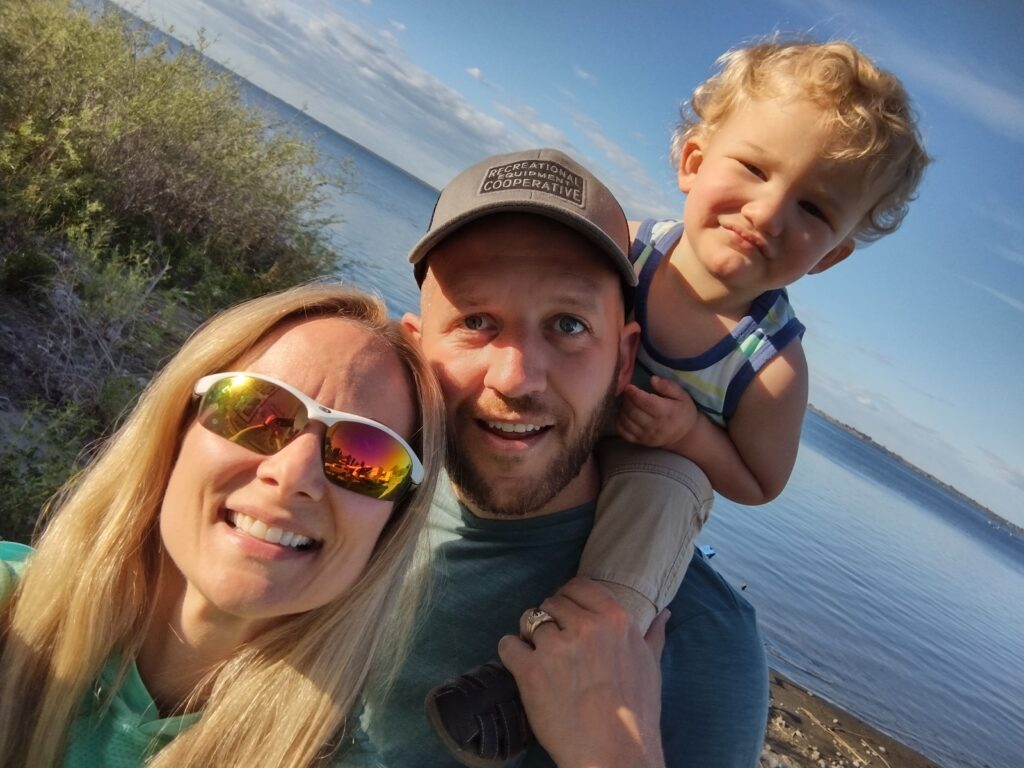
Simon now has friends his own age and is able to enjoy everyday childhood experiences.
The family recently took him swimming in a river and a lake—activities that were completely off limits before his treatment.
“We were so surprised when his doctors cleared him to go on that adventure,” Sandie says. “It’s a simple pleasure of life that we weren’t sure he’d ever get to experience.”