.png)






Key Takeaways
- Genome-based newborn screening can identify rare genetic conditions before traditional testing pathways reach a diagnosis.
- Early genetic results helped Margot’s family quickly understand the cause of her seizures.
- A confirmed diagnosis allowed the family to pursue targeted treatment and connect with other families facing the same condition.
- Early answers can reduce the long diagnostic journey many rare disease families experience.
A Small Decision Shortly After Birth
After Lili and Colin’s baby was born at a New York hospital, they were invited to participate in a research program called the GUARDIAN study, which offers genome testing for newborns.
Their daughter received a simple cheek swab shortly after birth.
“We said yes,” Lili recalls. “The expectation was that we’d enroll and never think about it again, because we expected nothing to be wrong.”
Six weeks later, their newborn—Margot—began having seizures.
Around the same time, results from the GUARDIAN study arrived.
Those results revealed that Margot had a rare genetic condition—CDKL5 deficiency disorder—providing an explanation for the seizures and helping guide treatment decisions.
For many families affected by rare disease, receiving a diagnosis can take four to five years on average, and sometimes even longer. In Margot’s case, answers came within weeks of the first symptoms.
Early Genetic Results Informed Treatment
The genome sequencing results provided a clear diagnosis.
“I’ll never forget getting the GeneDx report,” Lili says. “It was very informative and emotionally overwhelming. But the information gave us power.”
Armed with a diagnosis, Margot’s family was able to take immediate action.
They found a pediatric neurologist in New York City who specializes in CDKL5 deficiency disorder. The physician prescribed a specific medication to control Margot’s seizures, and Margot gained access to experimental therapies and supportive care options.
For the family, having a diagnosis early meant they could focus on the right care from the start.
Finding Strength in Community
After receiving Margot’s diagnosis, Lili began searching for other families who understood what they were going through.
At first, the family believed they were the only ones in New York City raising a child with CDKL5 deficiency disorder.
Through Facebook, Lili eventually connected with two other families whose children share the same diagnosis—and who were about to move to the city.
Today, the families meet regularly and support each other.
“The ability to share news, tips, and advice is invaluable,” Lili explains. “It’s a very different type of support than what you get from well-meaning friends and family, because these families truly understand the experience.”
Enjoying Every Moment
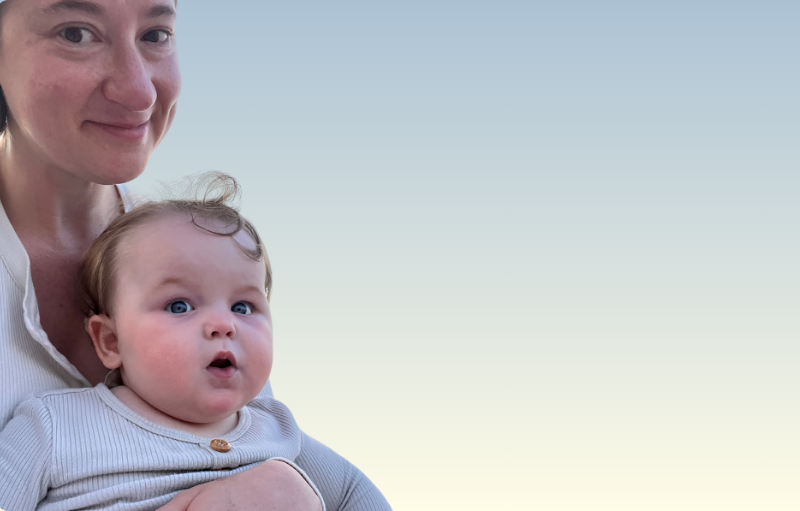
Margot is now one-and-a-half years old.
According to her mother, she’s thriving in her own unique way.
“Everyone talks about what a great baby Margot is, because she really is,” Lili says. “She’s curious, smart, and chatty. A little stubborn—she knows what she likes and doesn’t like. And she absolutely loves to snuggle.”
She also loves being outdoors and exploring the world around her.
Reflecting on her journey, Lili says the advice she received from other parents has helped her focus on what matters most.
“Another parent reminded me that my job right now is to enjoy Margot—because she’s a sweet little baby,” Lili says. “Not to miss this phase of her life because I’m focused so much on her treatment.”